+91-98111-67809
Best Health Insurance Plans in Noida and Greater Noida: A Complete 2025 Guide
If you live in Noida or Greater Noida, you probably already know the healthcare situation here is a strange mix of excellent and expensive. The city has some genuinely top-tier hospitals — Fortis, Kailash, Felix Hospital, Jaypee — and access to specialists that would have required a Delhi trip just ten years ago. But that quality comes at a price, and medical inflation in NCR has been running well ahead of general inflation for years.
A single hospitalization in a private hospital in Noida today can easily run into ₹3–6 lakh. A cardiac event or cancer diagnosis? That number can jump to ₹10–20 lakh. And yet, a large number of Noida residents — including salaried professionals who consider themselves financially aware — are either uninsured or carrying coverage of ₹3–5 lakh that would barely cover a moderate surgery.
This guide is for anyone in Noida, Greater Noida, or the broader Delhi NCR region who wants to understand what health insurance they actually need in 2025 — not just what's cheapest on a comparison website.
Why Health Insurance Matters More in Noida Than You Think
Noida's health story is changing fast, and not entirely in a good direction. Diagnosed diabetes cases in the city rose from roughly 13,700 in 2024 to over 16,800 by late 2025. Hypertension affects more than 35% of urban adults in the region. Air quality remains a persistent problem — PM2.5 levels in Noida regularly run 13 times the WHO limit. And dengue cases spiked to over 430 by October 2025, with concentrated outbreaks in several sectors.
None of this is meant to alarm you. But it does mean that the probability of a significant medical expense in any given year — especially for families with young children or parents over 50 — is higher here than in smaller towns. The fast-paced office culture in Noida's tech belt (Sectors 62, 63, 125, 132) adds stress-related conditions to this mix.
The financial reality is blunt: India's out-of-pocket health expenditure still sits at around 47% of total healthcare spending. Without insurance, most families absorb these costs directly. That's a serious risk in a city where a routine cardiac angiography costs ₹40,000–₹80,000 before any intervention.
Healthcare Costs Are Only Going One Direction
Medical inflation in India runs at roughly 12–15% per year. A hospitalization that costs ₹4 lakh today will cost ₹8 lakh within five years at that pace. ₹5 lakh of coverage — which many people bought in 2018 or 2019 and never updated — provides roughly half the real protection it once did. This is one of the most common problems Policywings sees when reviewing existing policies: sum insured that has quietly become inadequate while the policyholder assumed everything was fine.
What to Look for in a Health Insurance Plan in Noida
Not all health plans are the same. Here is what actually matters when you're comparing options in the Noida/Greater Noida market.
1. Sum Insured — Don't Underestimate This
For a family of four in NCR, a minimum of ₹10 lakh is now the baseline. A serious cardiac procedure can cost ₹6–9 lakh. Cancer treatment, depending on stage and type, can run ₹10–25 lakh over the treatment period. ₹5 lakh is not a family health plan in 2025; it's barely enough for one major hospitalization.
The right number for most Noida families is ₹15–25 lakh. If budget is a constraint, consider a base plan of ₹10 lakh combined with a top-up policy — an approach that gives you better coverage at a significantly lower combined premium than buying a ₹25 lakh base plan outright.
2. Cashless Network Hospitals — Check the List Before You Buy
Cashless treatment means your insurer pays the hospital directly at the time of admission. You show your health card, complete a pre-authorization form, and the bill is settled between the insurer and hospital. No arranging cash in an emergency. No lengthy reimbursement paperwork weeks later.
In Noida and Greater Noida, major insurers have cashless tie-ups with hospitals like Fortis Hospital, Felix Hospital, Kailash Hospital, Metro Hospital, Jaypee Hospital, Sharda Hospital, and several multi-specialty centers in sectors including 29, 51, 62, and in Greater Noida's Beta area. Before buying any plan, check whether your nearest hospital — the one you'd actually go to in an emergency — is on that insurer's cashless network list.
3. Pre-Existing Disease Waiting Periods
If you have diabetes, hypertension, thyroid conditions, or any other pre-existing health condition, most insurance plans will cover you — but only after a waiting period that typically runs 2–4 years from policy start. Claims for those conditions during the waiting period will be rejected.
This is why buying early — before a condition develops — makes such a significant practical difference. It also makes comparing waiting period durations across insurers worthwhile. Some modern plans have reduced PED waiting periods to 1–2 years.
4. Room Rent Restrictions
This is one of the most misunderstood elements of health insurance. Some plans cap room rent at a fixed daily amount or at a percentage of sum insured. If your hospitalization involves a room that costs more than that cap, the insurer proportionately reduces the entire bill — not just the room charge. This means a ₹1,000/day room rent cap on a ₹5 lakh policy can dramatically reduce your claim payout even on a ₹3 lakh hospital bill.
Look for plans with no room rent restrictions, or at minimum a single private AC room with no cap.
5. Restoration Benefit
If your sum insured is exhausted in one hospitalization — possible with a serious illness — a restoration benefit refills the full coverage amount for subsequent claims in the same policy year. For families and for anyone with a significant coverage amount, this feature is worth paying for.
6. Claim Settlement Ratio of the Insurer
A high claim settlement ratio means the insurer pays a high proportion of the claims it receives. Look for insurers above 95% in recent IRDAI data. But don't rely on this number alone — understand why claims get rejected, which often has more to do with policy conditions than insurer behavior.
Types of Health Insurance Plans Available in Noida
1. Individual Health Plans
Cover one person. The full sum insured is dedicated to that individual. Good for single earners, young professionals, or anyone whose health risk differs significantly from their family members.
2. Family Floater Plans
A single policy covers the entire family — typically spouse, children, and sometimes parents — under a shared sum insured. Any member can use up to the full amount in a year. More economical than buying individual policies for each member, but carry the risk of the pool being exhausted by one member's large claim.
For young families in Noida (parents in their 30s, children), a family floater of ₹15–25 lakh is usually the most cost-effective approach. The calculation changes significantly if parents above 55 are included — more on that in Blog 7 on health insurance for parents.
3. Critical Illness Plans
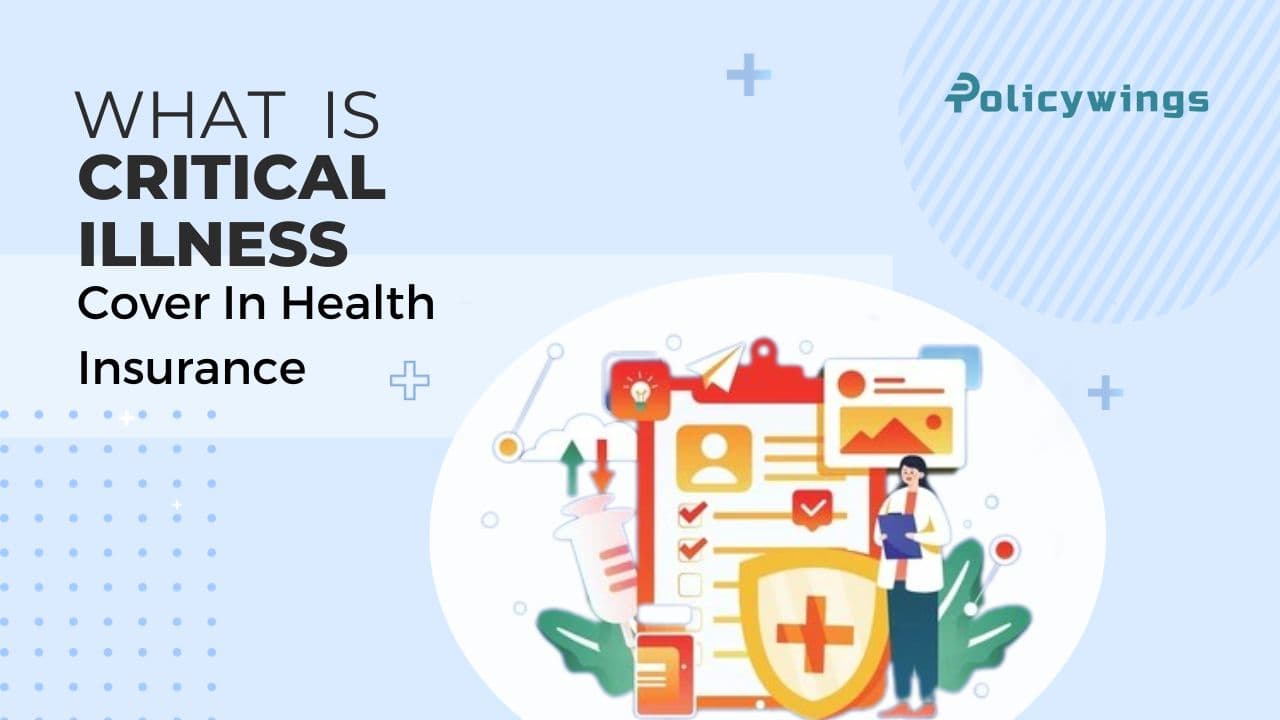
These pay a lump sum on diagnosis of specified critical conditions — cancer, heart attack, stroke, kidney failure. They supplement regular health insurance rather than replacing it. A family's hospitalization costs might be covered by the health plan, but income replacement during a six-month cancer treatment is where critical illness cover genuinely helps.
4. Top-Up and Super Top-Up Plans
These are add-on policies that kick in once your base plan's claim exceeds a threshold (the deductible). For example, a ₹10 lakh base plan combined with a ₹25 lakh super top-up above a ₹5 lakh threshold gives you effective coverage up to ₹35 lakh — at a fraction of what a standalone ₹35 lakh plan would cost.
Key Cashless Hospitals in Noida and Greater Noida
While specific cashless hospital networks vary by insurer and are updated regularly, most major health insurers in India have empaneled a broad network of hospitals in the Noida-Greater Noida corridor. This typically includes:
- Major multi-specialty chains with branches in Noida (Sectors 29, 51, 62, and surroundings)
- Hospitals on the Noida-Greater Noida Expressway
- Facilities in Greater Noida's Beta, Gamma, and Alpha sectors
- Hospitals in the Gaur City / Greater Noida West area serving the Noida Extension population
Always verify the current cashless network for your specific insurer at the time of purchase. Networks change, and this check takes five minutes but can save significant hassle during an emergency.
Common Mistakes Noida Residents Make When Buying Health Insurance
Buying the cheapest plan without reading exclusions. Low-cost plans often carry high co-payment clauses (you pay 20–30% of every claim) or have disease-specific sublimits (for instance, a ₹50,000 cap on knee replacement in a ₹10 lakh policy). Read the fine print.
Not disclosing pre-existing conditions. If you have diabetes or hypertension and don't disclose it, your claim can be rejected at any point — even years later. Full disclosure protects you; non-disclosure creates liability.
Never updating the sum insured. A policy bought in 2015 at ₹5 lakh was reasonable then. It is severely inadequate now. Review your coverage at every renewal.
Adding parents to the family floater. If a parent over 60 is on a family floater, their age drives up the premium significantly, and a single large hospitalization can exhaust the shared sum insured for the rest of the family. Consider separate senior citizen plans for parents.
Relying only on employer group health cover. Group cover provided by an employer typically ends the day you resign, change jobs, or the employer revises the policy. It's useful but should never be your only health cover.
How Policywings Helps Noida Residents Choose the Right Plan
Policywings is an IRDAI-licensed insurance broker based in Sector-136, Noida. As a broker — not an agent — the team works for you, not for any single insurer. This means comparing plans across 30+ insurers, explaining the differences honestly, and helping you make a decision based on your actual situation.
For Noida and Greater Noida residents, this matters because the best plan on a comparison website isn't always the right plan for your household. Age profile, health history, budget, the hospitals you actually use, your employer cover situation — all of this should factor into the recommendation.
To discuss your family's health insurance requirements and get a personalized plan comparison, call Policywings at +91-98111-67809.
What Should You Do Next?
Start by answering three questions: What is the combined age and health profile of everyone who needs cover? What hospitals in your area do you actually use or trust? And what sum insured would you genuinely need if a serious illness struck?
Once you have those answers, comparing plans becomes straightforward. What looks confusing from the outside — dozens of insurers, hundreds of plans, marketing language that makes everything sound identical — becomes manageable with a clear brief and someone who knows the product landscape.
Health insurance in Noida is not a luxury. For most families, it's the single financial protection that stands between a manageable health event and a genuinely catastrophic one.
Policywings Insurance Broking Pvt. Ltd. | IRDAI License No. DB 835 | A-57, 5th Floor, Sector-136, Noida | +91-98111-67809