+91-98111-67809
How to Build a Comprehensive Business Insurance Package?
How to Build a Comprehensive Business Insurance Package
Any firm needs to armor itself against any form of risk in this unpredictable world. Thereby, protecting one’s firm still calls for much importance than at any other time. An established business insurance package will ensure that your operations run according to schedule even during such times when unexpected things are springing around each corner. It is pretty confusing to those new to the game, but the world of business insurance can be explained in simple steps. Below are the steps on how you can construct an entire business insurance package to ensure you are fully covered in case of varying liabilities and losses.
Business Insurance Package
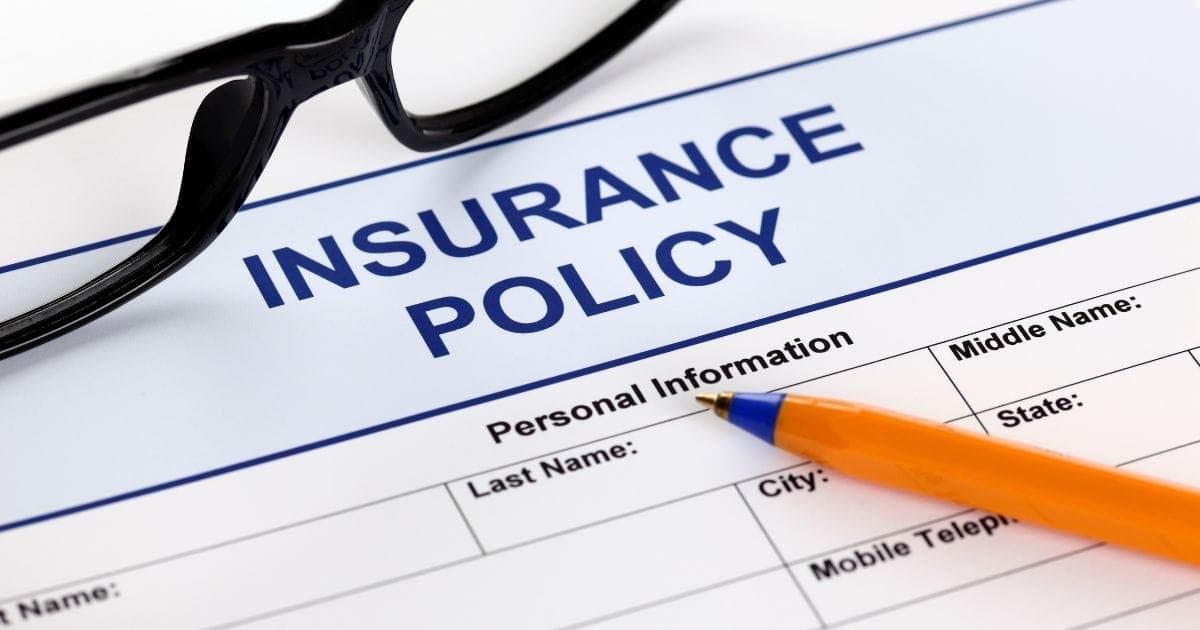
What is actually a business insurance package? Actually, a business insurance package is an offer of different insurance deals that will be meant to address varied kinds of risks that a given business may expose to. The specific bundle of a business insurance package can be general liability, property insurance, professional liability insurance, workers’ compensation amongst other risk components. All these can usually safeguard your business from any financial losses that it might incur due to accidents, lawsuits, natural disasters, and other calamities not yet foreseen or even in the imagination.
Step 1: Categorizing Your Business Risks
As you come up with an integrated insurance product, there is the need to identify particular risks of your business. Since no two businesses are similar, these factors become very important in classifying possible risks of your business. Among them, some are general and affect most businesses:
Risk that emanates from physical characteristics: This is loss to the office, equipment, or stock occasioned by fire, theft, and causes including natural calamities.
Liability-based risk: The risk precipitated out of a case of injury, negligence, and breach of contract lawsuit
Employee-related risks: Injuries or illnesses that will adversely affect the employees at work and can be treated either medically or benefits fund-wise
Industry-related risks: Risk is specific to a given industry; cyber risk is an industry-specific and particular only to IT companies. Malpractice risks are specific to the medical fraternity only.
Knowing your risks may as well help you know which type of cover will go into your package.
Step 2: Critical Types of Insurance Coverage
With a much greater awareness of what you might lose, it’s high time to find some insurance covers that may be accessible to you. There are some essential kinds of cover every business would do very well to consider the following:
- Liability Insurance-General
This would also include claims of lawsuits rising against the business over third parties for either actual or perceived physical or personal injury or damages to third party property like libel or slander. Most businesses need commercial property insurance because it would prevent lawsuits filed against a company in court and also some forms of claims brought about through the normal functioning of any business.
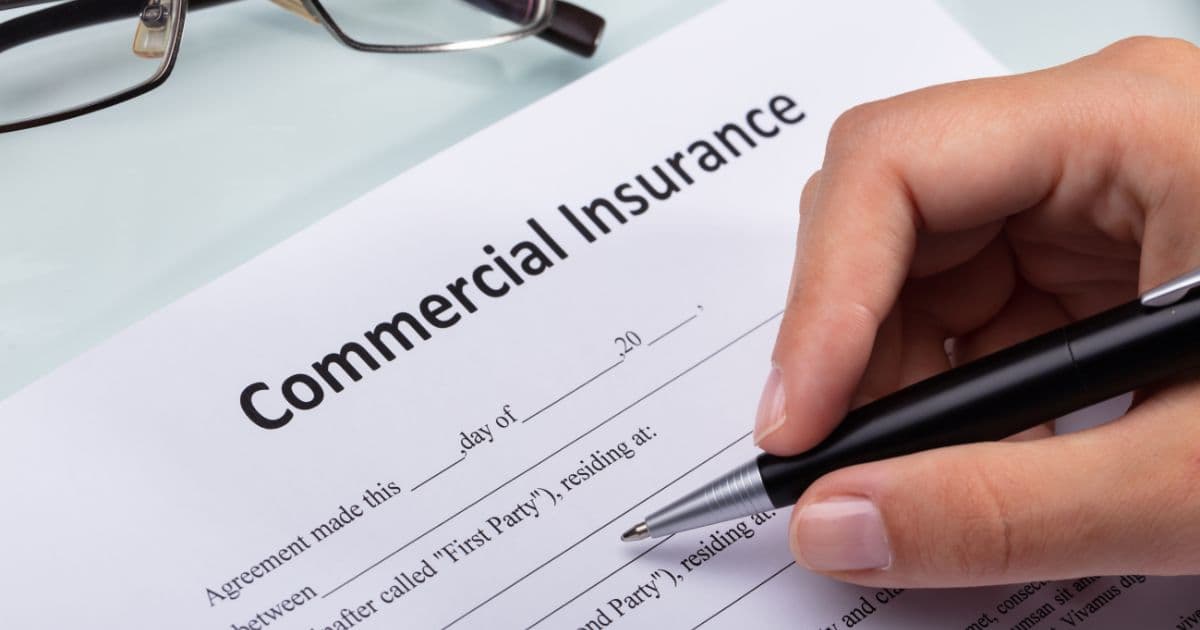
- Commercial Property Insurance Commercial property insurance protects your business’s physical assets: buildings, equipment, products, inventory, and furniture. It will cover you from losses that can occur through fire, theft, vandalism, and sometimes natural occurrence. This form of property insurance is also not required when purchasing ownership or leasehold interest.
.
- Errors and Omissions Insurance Liability Coverage
Errors and omission insurance, also referred to as professional liability, is supposed to cover the clients against third-party civil actions over unintentional errors or omissions represented by negligence. Such cover will offer defense costs and damages.
This is one of the minimum covers for any business that involves professional practice or renders advice. It covers claims based on negligence, omissions, or errors that leave a client liable to lose money. Such businesses are risky because their activities are complex. Examples of such industries include legal services, accountancy, consultancy services amongst others .
- Workers’ Compensation Insurance
That would be work-related injuries and illnesses for employees who get injured or fall sick for them to be compensated. Most states will require you to obtain this once you hire an employee. You’ll find yourself covering medical expenses, rehabilitation as well as lost wages while an employee is in the hospital. It will also protect your business from emerging with some liabilities of an injury-liability lawsuit.
- Business Interruption Insurance
That is, if a covered loss-for example, hurricane or fire-disrupts your business operation, profits are made good. Other benefits of business interruption insurance include benefits on lost earnings and cost of continuing expenses and relocation expense if you should move your business temporarily so you may resume operations as soon as possible after the interruption.
Other Insurance Coverage
Of course, the above major policies form a business insurance package, but most businesses are structured in such a way that they need coverage beyond the policy above for certain industries. Consider adding some of the following options depending on your industry, location, and size of business:
- Cyber Liability Insurance
This risk comes from the end as cyber threats and data breaches pose it in this new era of technology. The cover also includes costs incurred on notification when the data breach happens, lawyer fees, and repair for damages. A company that collects such sensitive data about customers’ needs such a kind of coverage.
- Product Liability Insurance
If your company manufactures or sells goods, it could be given a form of protection against damages or injuries caused to other persons because of a defective product-product liability insurance can offer relief in that aspect. It will benefit your business both economically, in terms of expensive battles in courtrooms, and loss incurred from a defect in the product.
- Commercial Auto Insurance
Liability insurance covers all forms of liabilities against your business. And your business is covered by liability with any cars, may be a minivan or is a huge truck. Several risks, including physical damage, liability coverage, medical payments, and comprehensive along with collision coverages get protection with this option.
Commercial auto insurance will be a full requirement for all business organizations running using autos owned by the business or used by the business for business purposes. Such insurance will handle accidents, property damages, or personal injuries resulting from business arising during their use of company-owned or leased autos.
- Directors and Officers (D&O) Insurance
D&O pays the officers and directors of your corporation in case they are sued due to decisions taken in their corporate capacity. This cover is absolutely necessary for firms with a board of directors or in case of shareholder-managed companies.
- Employment Practices Liability Insurance (EPLI)
Liabilities insurance will save you from claims. What is more, these claims are developed from your employees if they end up being complained of some discrimination, wrong termination, harassment, or any employment-related cause. As your business grows and increases, so is it and the claim about employment discriminating, and thus, EPLI is what your insurance package needs.
Step 4: Comparing Insurers and Policies
Not all insurance companies are alike. A wise choice would involve much time that otherwise could have gone into comparing quotes from various insurance companies. Compare the companies that enjoy excellent reputations and sound financial standing and also a good record in claims settlement in terms of timeliness. Finally, compare the conditions and limits of each policy that will provide better coverage of all risks.
Review and update your coverage periodically.
As your business grows so will the exposures that relate to it. You will be reviewing your insurance package regularly and updating it where necessary. You would increase coverage as you venture into new markets, expand your workforce, or introduce other product lines within your business. This gap in cover for your business will be exposed as it continues to get better protected through the annual review at your agent’s.
One good and effective way to survival in the long term is building an all-inclusive business insurance package in order to help manage risks so that business survives the long haul. This will help you assess unique risks, proper selection of coverage, and review coverage at the right time so you can determine whether the business has appropriately covered possible financial losses as well as any legal claims that may come your way. Do not wait for that big, unexpected event to be your insurance-to you-the importance of protection of business and its future; take actions now.