Introduction
Besides being a legal requirement, buying car insurance also helps you in protecting your vehicle and your savings. Your mind is at peace on the road knowing if something unfortunate happens, it will be taken care of. But what actually happens is that even if so many plans, add-ons and price comparisons are available, most people either choose the cheapest or what’s familiar option instead of the what’s actually best for them.
This is a step by step guide for how to choose the right car insurance policy in India so that you pay right and get optimum protection.
Step 1: Understand the Types of Car Insurance Policies
Before you compare the prices, you must know that kind of coverage that you need.
Third-Party Car Insurance
It is mandatory by law and covers damage or injury caused to other people or their property. You own car is not covered. While this is usually the cheapest insurance for car, it offers only very limited protection.
Standalone Own Damage Insurance
It covers damage caused to your own car that happened due to accidents, theft, fire or even natural disasters. You can buy this only if you have a valid third-party policy with you already.
Comprehensive Car Insurance
This one combines the benefits of both third-party and own damage cover. Hence, you get balanced and complete protection. It’s the safest choice for most private car owners.
Step 2: Decide If You Need Add-Ons
Add-ons are very helpful in improving protection but it also increases premium.
Bumper to Bumper Insurance (Zero Depreciation)
In this, when you make a claim, the depreciation deductions are removed on replaced parts. Thus, you get higher claim payouts. This add-on is extremely useful for cars that are under 5 years. Yes, it’s not the cheapest insurance for car but it surely often saves more money during repairs.
Other Useful Add-Ons
- Engine protection (this is very important in flood-prone areas)
- Roadside assistance
- Consumables cover
At the end, you should choose add-ons as per your usage and not out of fear.
Step 3: Balance Premium vs Coverage
Often, a low premium means:
- Lower IDV
- Add-ons are fewer
- Out-of-pocket expenses are higher during claims
The tip here is to not chase only the cheapest insurance for car. Instead, you should check:
- Details of the claim coverage
- Add-on benefits
- How much repair cost is shared
Sometimes, you may pay a slightly higher premium but you get far better value.
Step 4: Set the Right Insured Declared Value (IDV)
IDV is basically the current market value of your car.
- Higher IDV: It means higher premium but a higher claim amount
- Lower IDV: It means a cheaper premium but a lower payout
It’s better to choose an IDV that is close to realistic resale value of your car.
Step 5: Use Your No Claim Bonus (NCB) Smartly
| Claim-Free Years | NCB Discount |
| 1 year | 20% |
| 2 years | 25% |
| 3 years | 35% |
| 4 years | 45% |
| 5 years | 50% |
Remember, NCB only applies to repairs of your car, not the full car insurance premium.
Step 6: Compare Multiple Options Before Buying or Renewing
Be smart and never auto-renew without thinking. By comparing, you can:
- Find better coverage even at similar cost
- Retain NCB while switching insurance provider
- Know whether bumper to bumper insurance justifies the price difference
Common Mistakes to Avoid While Choosing Car Insurance
Choosing According to Price only: The cheapest policy may just not be enough to protect you when needed.
Skipping Zero Dep Too Early: Bumper to bumper insurance reduces the stress of claim for new or mid-age cars.
Ignoring What’s Not Included in the Policy: Always check all the exclusions, especially in add-ons.
Letting the Policy Lapse: If the policy expires, it can:
- Cancel your NCB
- Require inspection
- Leave you without insurance and you can’t even legally drive
Things That Matter More Than Just the Premium
You may reduce current cost by choosing the cheapest insurance for car but how it’s only at the time of a claim can you know how effective is your insurance. Here is all that you should keep in mind:
- Right coverage for your car: For newer cars, comprehensive cover and bumper to bumper insurance offers more benefits. Older cars may not need extensive add-ons.
- Claim payout clarity: Check if depreciation and add-ons are treated the same during claims as they were promised in marketing material.
- Realistic IDV: A very low premium usually means a lower IDV. This significantly reduces the amount of your claim.
- Only useful add-ons: Add-ons slightly increase the premium but can greatly reduce out-of-pocket expenses at the time of repairs.
- NCB protection: When you lose your No Claim Bonus due to a lapse or small claim, it can cost more than the premium difference between cheapest and better policy.
- Repair experience: A lot of time, the feature of cashless garages and smoother claim processes matter more than minor price differences.
Basically, the best car insurance is the one that balances cost, coverage and claim convenience, not just price.
Conclusion
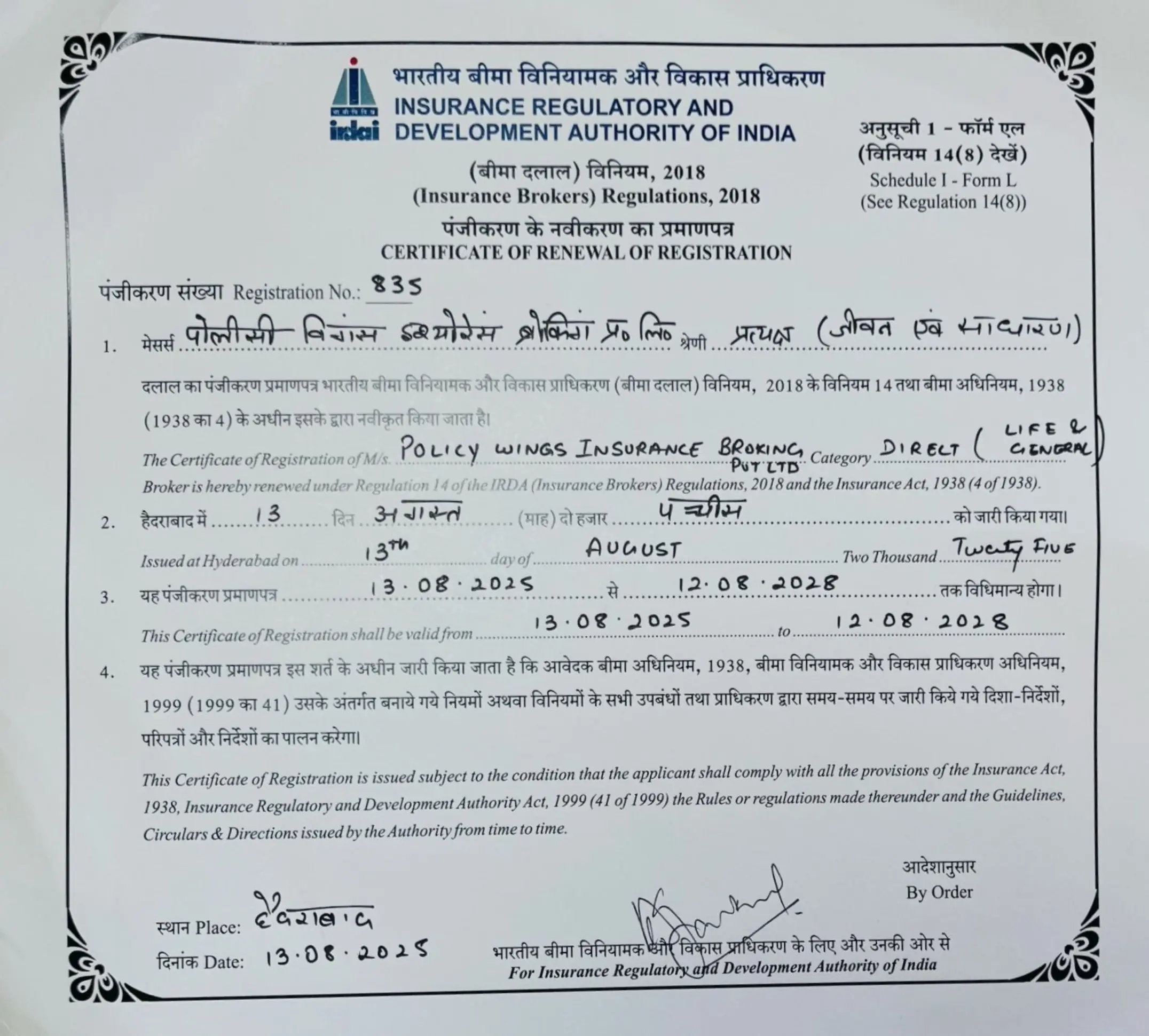
If the car insurance policy is matches the age of your car, your driving habits and the risk involved for you, it is surely the right one for you; not the one that comes at the least amount. No doubt, the cheapest insurance for car can look attractive but it isn’t always as effective during a claim. select the right coverage today to save thousands tomorrow. Decide and drive confidently. For more details, get in touch with PolicyWings!