+91-98111-67809
Is Bike Insurance Mandatory in Noida?
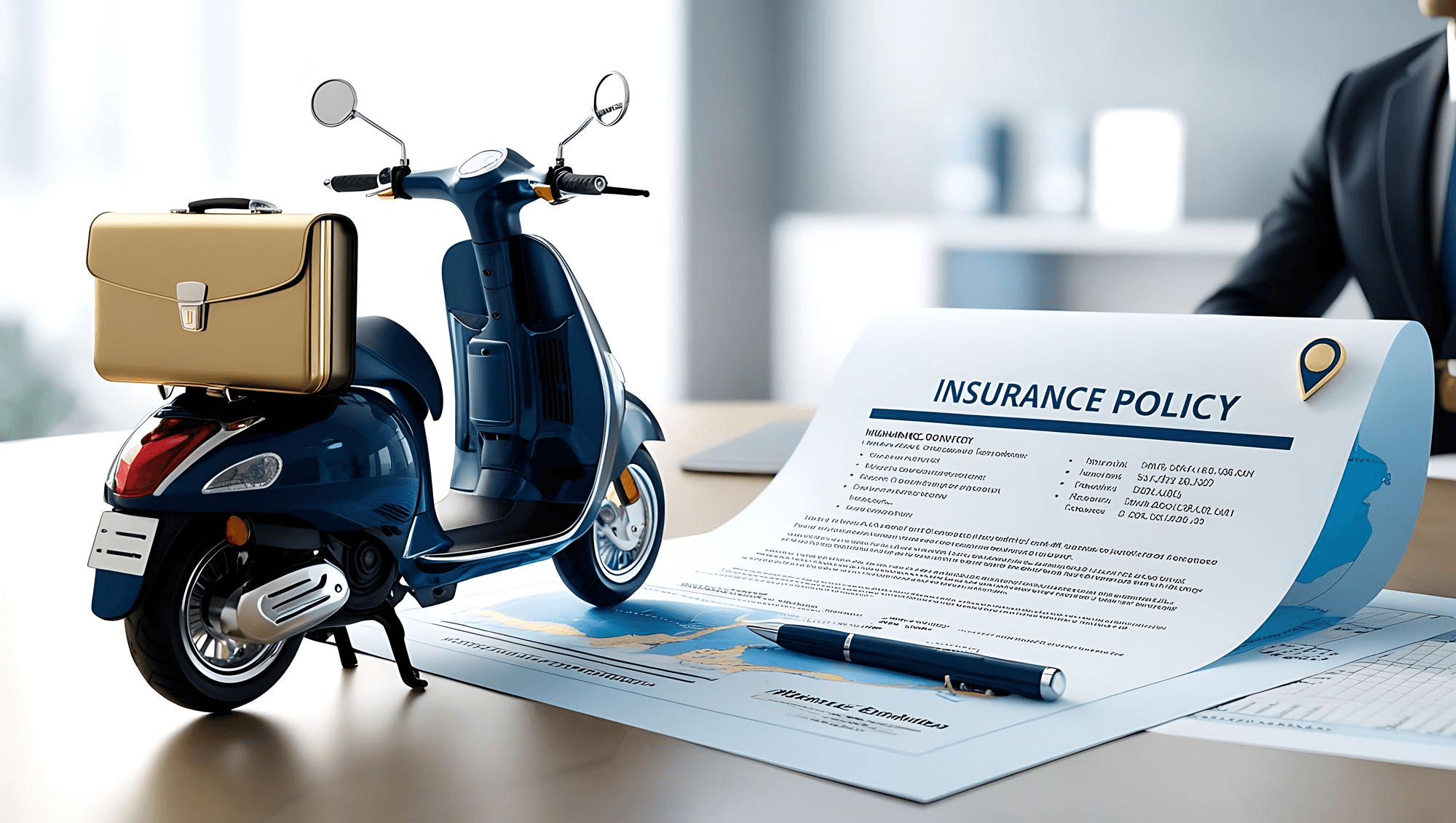
Let me guess, someone asked you for your insurance paper and you weren't sure if it was even legally required. Or maybe you've been riding without one and kind of hoping no one notices. Either way, you've landed in the right place.
So, is bike insurance actually mandatory in Noida? Yes. Full stop. But there's more to it than just a yes or no, and honestly, a lot of people get this wrong. Not because they're careless, but because no one ever really explained it to them properly.
Read this blog to get complete clarity.
The Law Is Pretty Clear on This
The Motor Vehicles Act, 1988 still very much applies and makes it compulsory for every two-wheeler on Indian roads to have at least a third-party insurance policy. Doesn't matter if your bike is brand new or fifteen years old and held together with prayers. No valid insurance means you're breaking the law.
The reason behind this rule is actually quite sensible. Third-party insurance isn't really about protecting you, it's about protecting the person you might accidentally hurt. If your bike hits someone, that person (or their family) deserves some financial support. The law makes sure they get it, regardless of whether you can afford to pay.
What Happens If You Get Caught Without Insurance?
People often take their chances. "The traffic cop won't stop me," or "I'll renew it next month." Here's what that gamble actually costs you:
- Fine of ₹2,000 for the first offence
- ₹4,000 for repeat offences
- Possible imprisonment up to 3 months
- Vehicle seizure in some cases
- Zero financial support if you're in an accident
That last point is what really stings. Imagine getting into a serious accident, someone gets hurt, there's a legal case, and you have no insurance to fall back on. You're paying everything from your own pocket, medical bills, legal fees, compensation. It can run into lakhs very, very quickly.
The Two Main Types of Bike Insurance
1. Third-Party Insurance: The Legal Minimum
This is what the law asks for. Nothing more, nothing less. It covers:
- Injury or death caused to someone else because of your bike
- Damage to someone else's property (capped at ₹7.5 lakh)
- Legal costs if the other party takes you to court
What it won't touch:
- Any damage to your own bike
- Your own injuries
- Theft of your vehicle
The premium for third-party insurance is fixed by IRDAI (the insurance regulator), so you'll find the rates are more or less the same everywhere. It's the cheaper option, but it also leaves your own bike completely unprotected.
2. Comprehensive Insurance: Smarter Option for Most People
A comprehensive plan wraps everything together. You get third-party coverage plus:
- Own damage cover: if your bike is damaged in an accident, flood, fire, or even a tree falls on it
- Theft protection
- Personal accident cover of up to ₹15 lakh for the owner-rider (this is now mandatory by IRDAI)
- Add-ons like zero depreciation, engine protection, roadside assistance, depending on what you pick
If your bike is relatively new, or if you've spent a decent amount on it, comprehensive insurance just makes sense. The premium is higher, sure, but what you're getting in return is actual peace of mind.
3. Standalone Own Damage (OD) Policy
This one came in around 2019. IRDAI introduced it for people who already have a long-term third-party policy (usually 5 years for new bikes) but want to add own-damage cover separately. You don't have to buy them bundled together anymore, which is a useful bit of flexibility.
New Bikes Come With Insurance, But Don't Get Too Comfortable
When you buy a new two-wheeler, the dealer usually handles the first year's insurance as part of the purchase. Most people sign whatever document the dealer puts in front of them without checking the details. That's fine, but here's what you should know:
- For new bikes bought after September 2018, IRDAI requires a 5-year third-party policy upfront
- Own damage cover can be taken for 1 year or multi-year
- The insurance the dealer offers isn't always the best deal available, it's worth comparing before you commit
- After the initial period ends, you are responsible for renewing. It does not auto-renew.
When Does Your Claim Actually Get Rejected?
This is the part people don't find out until it's too late. Insurance companies can, and do, reject claims for specific reasons:
- You were riding without a valid driving licence
- You were drunk or under the influence of drugs
- Your policy had already expired at the time of the accident
- You modified your bike without informing the insurer
- You were using a personal vehicle for commercial purposes (deliveries, etc.)
- The incident happened in a restricted or excluded area
None of this is buried in fine print to trick you, it's in the policy document. The problem is most people never read it. Take twenty minutes to go through the exclusions before you buy. It'll save you a nasty surprise later.
Buying or Renewing Online Is Genuinely Simple Now
There's no reason to walk into an office or sit through a long sales call anymore. The whole process takes about 10 minutes online:
- Enter your bike's registration number
- Review the details that auto-fill
- Compare quotes from different insurers
- Pick the plan and add-ons that work for you
- Pay and get your policy on email instantly
That's it. The policy document is usually in your inbox within minutes.
Buy in Minutes on Policywings
If you're looking for a straightforward way to compare bike insurance plans without being pushed into something you don't need, Policywings is worth checking out.
Whether you want basic third-party cover or a full comprehensive plan with add-ons, the platform makes it easy to figure out what actually suits your bike.
Visit Policywings and Consider Bike Insurance Plans, Takes less than 5 minutes.
FAQ: Questions People Usually Ask
1. Is it illegal to ride a bike without insurance in India?
Yes, it is. The Motor Vehicles Act makes third-party insurance compulsory. Riding without it can result in fines, vehicle seizure, and if there's an accident, you'll be personally liable for all damages.
2. What's the minimum insurance I legally need?
A valid third-party liability insurance policy. That's the legal floor. Anything above that, like comprehensive cover is your choice, but TP is non-negotiable.
3. Does bike insurance cover theft?
Only if you have a comprehensive policy or a standalone own-damage plan. Third-party-only insurance will not help you if your bike gets stolen.
4. What if my insurance lapses and I don't renew on time?
You're riding uninsured, which means you're legally exposed and there's no claim support if something happens. You may also lose your no-claim bonus, which can be a significant discount (up to 50%) on future premiums.
5. What is NCB and why does it matter?
No-Claim Bonus is a reward for not making any claims during your policy year. It gives you a discount on your own-damage premium at renewal, starting at 20% and going up to 50% over five claim-free years. It's one of the more underrated benefits of having insurance.
6. Is personal accident cover mandatory?
Yes. IRDAI mandates a personal accident cover of ₹15 lakh for the owner-driver. It can come bundled with your bike insurance or separately if you already have a standalone PA policy.
7. Can I buy bike insurance entirely online?
Yes, and it's honestly the most convenient way to do it. Platforms like Policywings let you compare, customise, and buy without leaving your house, with instant policy issuance.
8. Does bike insurance cover damage during floods or natural disasters?
Comprehensive policies typically include cover for natural calamities like floods, earthquakes, and cyclones. Third-party-only policies do not. If you live in a flood-prone area, this is worth thinking about before choosing your plan.