+91-98111-67809
Why Every Business Needs Commercial Property Insurance?
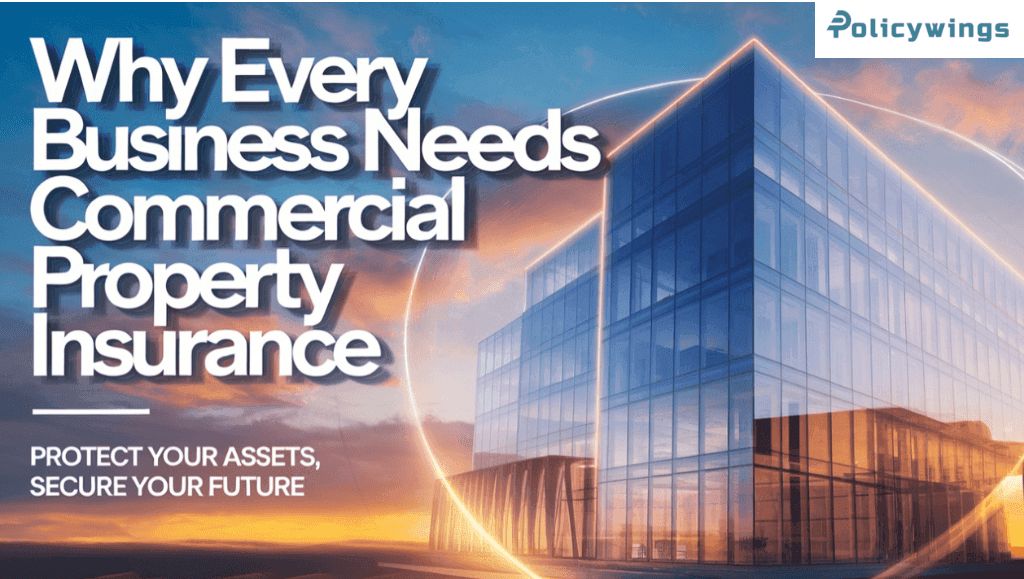
Every business needs its physical assets for uninterrupted operations. While you can’t be 100% safe from situations like fire, theft or natural calamities, you can get commercial property insurance for the safe side. If you are not insured, recovering from such huge financial losses due to uncertain incidents can be next to impossible. You need it to protect the physical assets of your businesses and bounce back from an unexpected, devastating situation.
Table of Contents
- What is Commercial Property Insurance?
- Why is Commercial Property Insurance Essential?
- Benefits of Commercial Property Insurance
- How to Choose the Right Commercial Property Insurance
- Common Misconceptions About Commercial Property Insurance
- Conclusion
- FAQs
A lot of businesses that faced fires, thefts or natural disasters had to shut down permanently because they did not have commercial property insurance. But those who had coverage managed to recover faster and continue working as usual. Let’s say a fire broke down in a small confectionery and it lost all its stock. But since it had coverage, it could replace everything and restart soon.
What is Commercial Property Insurance?
It’s a promising insurance policy that protects businesses from financial difficulties if their physical assets get damaged or lost. The assets that are typically included are:
- Buildings: If you own a workspace like a shop, office, warehouse etc, this insurance will cover any structural damage that happens to it so that expensive repairs don’t hold back your operations.
- Equipment: Whether you have computers or heavy machinery, it protects all tools of your trade which is a great relief for manufacturing businesses and service providers.
- Inventory: It covers the loss of raw materials, finished products and all the stock that was present in the premises. You can claim it in case there has been theft, fire or a disaster.
- Furniture & Fixtures: All essential furniture like workstations, tables, storage units, shelves etc are covered so that the workspace gets in the right condition once again.
However, you must remember that everything is not covered. Here are the common exclusions:
- If the damage has been caused by war or terrorism, it requires separate policies.
- Age-related wearing and tearing is a maintenance issue that falls under business responsibilities.
- Those natural disasters that have not been specifically added to the policy will not be covered.
Why is Commercial Property Insurance Essential?
A single unfortunate event can ruin years of hard work and investment and leave you struggling to recover. In the worst case, businesses may even shut down permanently. The good news is that having property insurance for businesses works wonders because it:
- protects against unexpected events: A sudden fire, theft of assets, damage due to storms etc can happen anytime and leads to a big loss. But with an insurance policy, a business can get its inventory back and quickly recover.
- provides financial security: A disaster can ruin the property and the equipment. Insurance covers all the repair and replacement costs so the business can keep operating smoothly.
- meets legal and contractual requirements: Landlords often ask businesses to have insurance before they rent out their space. Banks offering a business loan may also ask for it to protect their investment.
Benefits of Commercial Property Insurance
A disaster can bring down the efforts of all the years to zero. Protecting your business is crucial. Commercial property insurance protects your business from uncertainties and helps you get back on your feet. Here are the benefits you get from an insurance for business property:
- Repair/ replacement costs are covered: The insurance covers everything from minor repairs to major replacements. All the expenses are taken care of so that businesses can recover without getting into financial burdens.
- Minimized downtime: Good coverage helps businesses recover quickly so they don’t face as much revenue loss. For example, a designer boutique whose stitching machines got burned could take up regular orders within a few weeks thanks to a quick insurance payout.
- Peace of mind: Entrepreneurs can focus on leveling up their business instead of worrying about the effects of unexpected disasters. They know that their business is protected and can operate with confidence.
How to Choose the Right Commercial Property Insurance
You can’t go for just any policy. It’s very important to find the commercial insurance coverage that matches your business requirements and provides you with the solutions you are looking for. Here’s what you must do to make the right decision:
- Assess your business needs: Risks differ for different locations, industries and asset values. You need to think of what can possibly hit your business. For example, if you are in a flood-prone area, you must have additional cover against the expected disaster.
- Compare policies and premiums: Not all insurance providers offer the same coverage options and prices. Do some research, check what’s included in different policies and then weigh all the options.
- Work with an insurance broker: It’s suggested to get in touch with a reliable professional. They will help you navigate different policies and find the most suitable one at the best price. That’s how you can get the essential protection without overpaying.
Common Misconceptions About Commercial Property Insurance
We discussed how a is so helpful when you need it. Still, a lot of people have their own myths about it and so they are not getting the coverage: Here are the most common false assumptions that people believe:
- My business is too small to need it– Disasters don’t look at the size of the business before hitting it. Even small businesses may experience theft, fires or any other unpleasant situation that will hurt them financially if they don’t have small business property insurance.
- General liability insurance is enough– Not at all. Liability insurance covers will never protect your physical assets, only injuries and lawsuits. If suppose there’s a burglary, your business will struggle without property insurance.
- It’s too expensive– If you look at the bigger picture, you will realize that the cost of insurance is not as much as the financial impact of an unexpected disaster. Find yourself an affordable policy that offers customized coverage. Asset protection without breaking the bank!
Conclusion
Don’t think of commercial property insurance as just another business expense because it’s something you won’t do without in case of unforeseen circumstances. It will keep your investments safe, help with business continuity and will offer you the peace of mind that you need to go on. A disaster could mean the end of your business but not when you are covered. Whether you’re a small shop owner or run a large company, investing in commercial insurance coverage is a must!
FAQs
- What does commercial property insurance cover?
All the physical assets of a business like buildings, equipment, raw materials, furniture etc are covered against damage from events that can cause damage like theft, fire, flood, earthquake etc. If operations get interrupted, some policies also cover the loss of income that you face.
- Is commercial property insurance mandatory for businesses?
It actually depends on local laws and certain lease agreements. If you’re renting a workspace, your landlord may ask for it. Some banks also require it when you apply for a business loan. Though it isn’t a legal requirement, it will save you from damages and losses.
- How much does commercial property insurance cost?
The cost of insurance mainly depends on the location, business type and asset value. If you work in a high-risk area or you with expensive equipment, your premium would be bigger. However, you can always compare quotes from different providers and choose the one that offers more and costs reasonable.
- Can I bundle commercial property insurance with other policies?
Yes. Various insurers also offer bundle options where you can combine property, liability, and business interruption insurance. This gives comprehensive protection while also being more affordable. Definitely a very good option for small businesses.
- What factors affect the cost of commercial property insurance?
Several factors influence the insurance premium. The location of the business, size of the operations, industry risks, age of the building, security measures and coverage limits, everything has to be considered. A business operating from a modern building with top security may pay lower premiums than one working with an old infrastructure and limited security.
- How do I file a claim for commercial property insurance?
Upon facing damage or loss, you can contact your insurer right away. Provide them with photos of the damage along with the claim forms. They will help you evaluate the damage caused and process your claim. Make sure you keep detailed records of your total assets and losses suffered for a faster claim process and receive the proper payout.