+91-98111-67809
Why You Need Individual Health Insurance
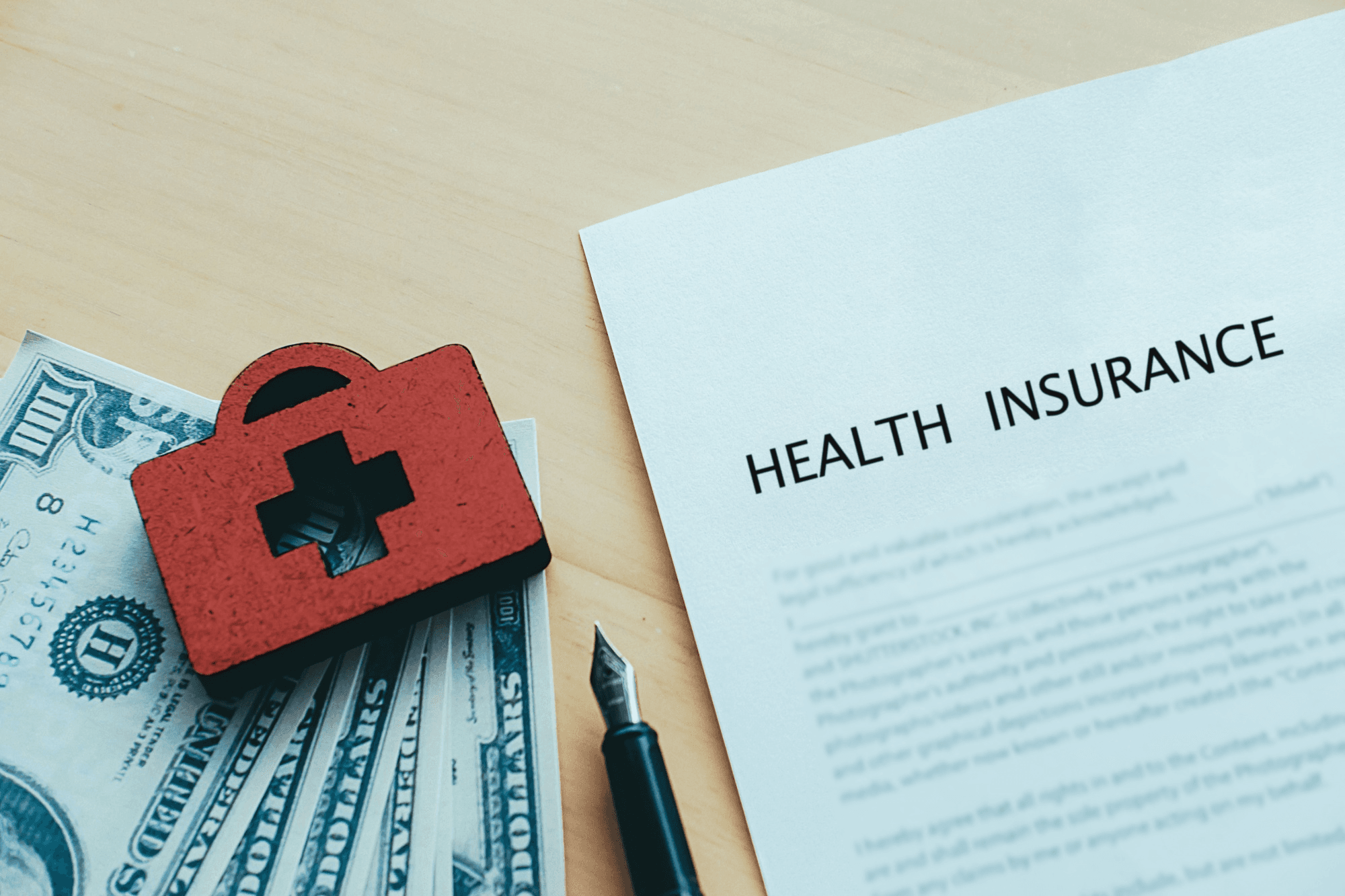
Let's be honest. Most of us don't think about health insurance until something goes wrong.
A family member gets hospitalised. A friend gets a scary diagnosis. Or you get hit with a bill so large it makes your stomach drop and you realise your employer's policy covered maybe a third of it.
That's the moment people wish they'd bought an individual health insurance plan earlier. Not because they enjoy paying premiums, but because that one hospitalisation just wiped out savings they'd been building for years.
Here's the thing, it doesn't have to go that way for you.
What Is Individual Health Insurance?
Strip away the jargon and it's pretty simple. You pay a premium every year. If you get hospitalised or need treatment, the insurer picks up the bill, either directly at the hospital (cashless) or by reimbursing you afterwards.
What makes individual health insurance different from the policy your employer gives you is ownership. This policy is yours. It doesn't disappear when you switch jobs, go freelance, or take a career break. You control the sum insured, the add-ons, and the renewal. Nobody else does.
Why So Many People Still Don't Have One
Before getting into why you need it, it's worth understanding why most people delay.
Some assume their company cover is enough. Some think they're too young to need it. Some find the whole thing confusing and just... don't get around to it. And a lot of people genuinely believe nothing bad will happen to them.
All of that is completely understandable. And all of it is worth reconsidering.
10 Reasons Individual Health Insurance Should Be Non-Negotiable
1. Medical Bills in India Have Gone Through the Roof
Ask anyone who's been through a serious hospitalisation in the last five years and they'll tell you that healthcare in India is expensive, and it's getting more expensive every year.
A cardiac procedure that cost ₹2 lakh a decade ago can easily run ₹8-12 lakh today. Cancer treatment, organ transplants, joint replacements, these are medically serious and they're financially devastating without cover. Healthcare inflation consistently outpaces general inflation in India, which means every year you wait, you're more exposed.
Individual health insurance is essentially a buffer between a medical emergency and a financial crisis.
2. Your Company's Group Cover Has Gaps You Probably Don't Know About
The group policy your employer provides feels like a safety net. It is, but it's a fairly narrow one.
Here's what most people don't realise about group cover:
- Low sum insured: ₹2-5 lakh is standard across many companies. For anything serious, that runs out fast.
- It vanishes when you leave. Resign, get laid off, or retire and the cover ends. Sometimes with zero notice.
- Pre-existing conditions may not be fully covered. Depending on the policy, conditions you had before joining might be excluded or restricted.
An individual plan exists completely outside your employment. It's there whether you're working, between jobs, or building your own business.
3. The Earlier You Buy, the Better the Deal
This is the part most people learn too late.
Health insurance has what's called a waiting period. A window of 2-4 years during which pre-existing conditions like diabetes, hypertension, or a thyroid disorder aren't covered. If you buy a policy at 28 when you're healthy, that waiting period quietly passes. By the time you actually need coverage for those conditions, you're sorted.
Buy at 45 when you've already been diagnosed? Now you're locked out of coverage for the exact things most likely to send you to hospital.
Premiums work the same way, significantly lower when you're younger and healthier. Waiting doesn't save money. It costs more money, later.
4. You Get a Tax Break on Top of It
This one often surprises people. Your health insurance premium, you can also reduce your tax bill. If you're in the 30% tax bracket and paying ₹15,000 a year in premiums, you're saving ₹4,500 in taxes. The policy effectively costs you less than the sticker price.
5. Cashless Treatment Means No Midnight Scramble for Cash
Nobody plans a medical emergency. And when one happens at midnight, on a weekend, in a city you don't live in, the last thing you want to be doing is calling family members to wire money.
With a good individual health insurance plan, you walk into any network hospital, show your card, and the insurer handles the billing directly. Most major insurers in India have 5,000 to 10,000+ network hospitals across the country. That alone, just the practical peace of mind, is worth the premium.
6. It Covers a Lot More Than Just Hospital Stays
People tend to think health insurance is just for the "big" stuff like the ICU, the surgery. But modern individual plans cover quite a bit more.
Standard coverage in most plans:
- Room rent, surgeon fees, ICU charges during hospitalisation
- Tests, consultations, and medications before and after hospitalisation
- Day-care procedures that don't require an overnight stay
- Ambulance costs
- AYUSH treatments- Ayurveda, Homeopathy, and others
- Mental health treatment (now mandatory under IRDAI guidelines)
- Treatment at home when hospital admission isn't possible
Many plans also let you add on critical illness cover, OPD cover, maternity cover, and personal accident protection. Most people are surprised by how comprehensive it actually is.
7. Staying Healthy Gets You More Coverage for Free
If you go through a full policy year without making a claim, most insurers give you a No-Claim Bonus, an increase in your sum insured of anywhere between 5% to 50%, at no extra cost.
Start with ₹10 lakh cover, stay claim-free for a few years, and that cover can quietly grow to ₹15–20 lakh without your premium rising by the same proportion. It's a benefit that compounds, but only if you own the policy consistently.
8. If You Work for Yourself, This Isn't Optional
Freelancers, consultants, entrepreneurs, gig workers, the self-employed community in India is growing fast, and they all have one thing in common: no employer picking up the health insurance tab.
If this is you, individual health insurance is the only structured protection you have. There's no HR department to fall back on. You have to build your own safety net and this is a foundational piece of it.
9. Mental Health Is Finally Covered
Following the Mental Healthcare Act of 2017 and IRDAI's subsequent directives, health insurers are now required to cover mental health conditions on par with physical ones. Depression, anxiety disorders, and psychiatric hospitalisation are part of standard plans. Therapy and counselling are covered under select policies too.
Given how common mental health challenges are and how expensive good care can be this is a significant shift in what individual health insurance actually offers.
10. They Can't Take It Away From You
Under IRDAI regulations, individual health insurance plans come with guaranteed lifelong renewability. As long as you pay your premiums, the insurer cannot cancel your policy, not because you got sick, not because you filed claims, not because you got older.
The years when you need health cover most are the years when it's hardest to get new coverage. A policy bought and renewed consistently stays with you through all of it.
What to Actually Look for When Choosing a Plan
There's no single best plan. It depends on your age, health history, city, and budget. But these are worth checking carefully:
- Sum insured: ₹5-10 lakh minimum in metros; ₹3-5 lakh for smaller cities
- Network hospitals: Make sure hospitals you actually use are included
- Waiting periods: Especially for pre-existing conditions, compare across plans
- Sub-limits: Some plans cap room rent or specific procedures, a nasty surprise at claim time
- Co-payment clause: Some plans ask you to pay 10-20% of every bill. Try to avoid these.
- Claim settlement ratio: Look for insurers consistently above 95%
Add-ons worth considering: critical illness cover (especially with a family history), super top-up plans for affordable extra coverage, and OPD cover if you visit doctors regularly.
The Myths That Keep People Uninsured
"I'm 27. I don't need this yet." Kidney stones, dengue, appendicitis, road accidents, none of these check your age first. And every year you wait, premiums go up and the waiting period clock hasn't started.
"My office covers me." Until it doesn't. That policy leaves with your job.
"It's too expensive." A solid plan for someone in their late 20s can start at ₹600-₹900 a month. One hospitalisation without insurance can cost 10–20 years of those premiums.
"Claiming is a nightmare." It used to be. With platforms like PolicyWings, the whole process, buying, managing, and filing claims is handled digitally.
The Bottom Line
Individual health insurance won't stop you from getting sick. But it will stop a health crisis from also becoming a financial crisis and that's the whole point.
The people who regret buying it early? Nobody. The people who regret not buying it sooner? Plenty.
At PolicyWings, we make it straightforward to compare plans, understand what you're actually getting, and pick the one that fits your life not just your budget.