+91-98111-67809
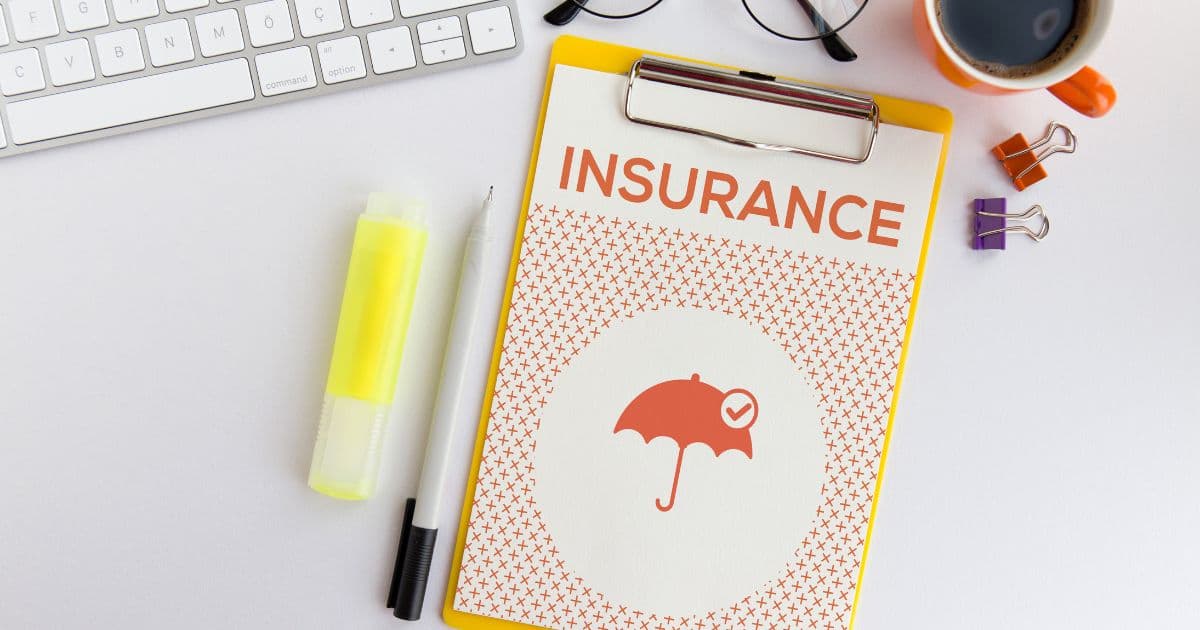
How Third-Party Insurance Keeps You Safe from Legal Claims?

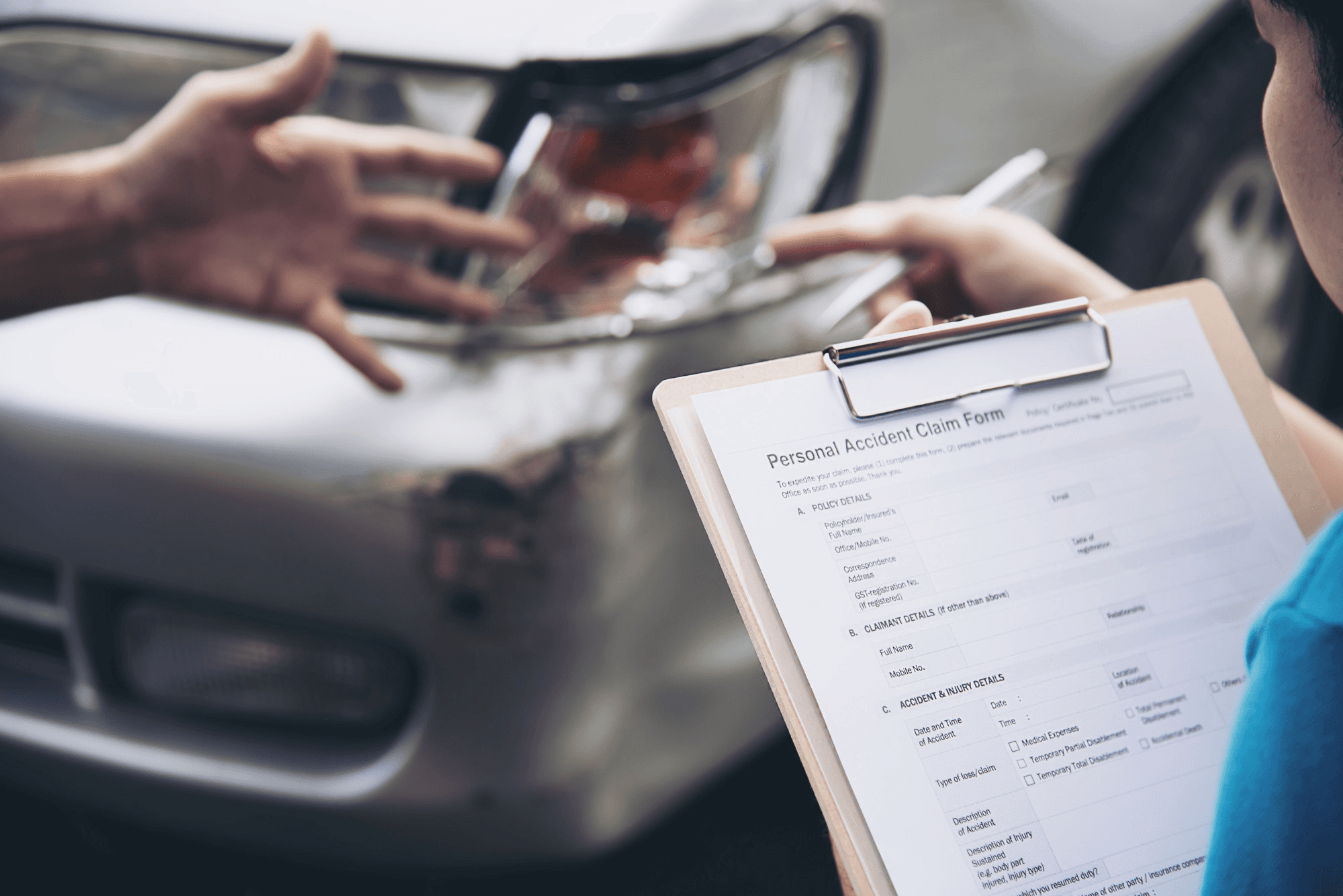
Imagine this: you’re carefully reversing out of a parking space when – crunch! – you accidentally bump into the car behind you. Minor damage, perhaps, but the other driver is understandably upset. Suddenly, you’re facing repair bills and potentially legal claims. This is where third-party insurance becomes your shield. Lets look into how policywings can help you explain and find the best policy for your needs.
Table of Contents
- Understanding Third-Party Insurance and Its Importance
- Why You Need Third-Party Insurance to Protect Yourself
- What Does Third-Party Insurance Actually Cover?
- Choosing the Right Third-Party Insurance Policy: A Comparison
- Finding the Best Third-Party Insurance Policies Through Policywings
- Comparing Insurance Policies: Key Factors to Consider
- Staying Protected: Maintaining and Understanding Your Third-Party Insurance
Understanding Third-Party Insurance and Its Importance
Third-party insurance is the most basic type of motor insurance you can get. Think of it as your financial safety net if you cause damage or injury to someone else (the “third party”) while using your vehicle. It doesn’t cover damage to your own vehicle, but it protects you from the potentially crippling costs of claims made against you. In the UK, it’s the minimum legal requirement for driving on public roads, underlining its crucial role in responsible motoring.
Why You Need Third-Party Insurance to Protect Yourself
Beyond the legal obligation, third-party insurance protects your personal finances. Imagine being sued for causing a serious accident. Legal fees and compensation payouts could easily run into tens of thousands, even hundreds of thousands of pounds. Without insurance, you’d be personally liable for these costs, potentially losing your savings, assets, and even future earnings.
For example, a 2023 case saw a driver without sufficient insurance facing a compensation claim of £80,000 after causing a road traffic accident that resulted in a permanent back injury for the other party. The cost of legal representation alone was staggering. Third-party insurance prevents such financial ruin. It ensures that you’re covered, up to the policy limits, for the damage or injuries you cause to others.
What Does Third-Party Insurance Actually Cover?
A standard third-party insurance policy typically covers the following:
- Damage to Third-Party Property: This includes damage to other vehicles, buildings, fences, or any other property you damage in an accident.
- Bodily Injury to Third Parties: This covers the cost of medical treatment, rehabilitation, and compensation for injuries sustained by others as a result of your actions.
- Legal Costs: The policy covers the legal expenses associated with defending yourself against a claim, even if the claim is ultimately unsuccessful.
Importantly, it doesn’t cover damage to your own vehicle, loss of your belongings in the car, or injuries you sustain in the accident. For that, you’d need a more comprehensive policy.
Choosing the Right Third-Party Insurance Policy: A Comparison
While all third-party policies offer baseline protection, there are differences. The level of cover provided can vary (for example, the maximum payout for property damage), and some policies include extra benefits like uninsured driver protection (which covers you if you’re hit by someone without insurance). This is where comparing policies becomes crucial.
Consider these providers and policy details (illustrative examples only – always check current policy wording):
- Admiral: Offers a standard third-party policy with a legal expenses add-on option. Policy details often include a standard excess, typically around £250, and may offer options to increase this for a lower premium.
- Aviva: Known for its comprehensive policies, Aviva also provides third-party cover with a focus on customer service. Policy wording usually details clear exclusions regarding racing or off-road use.
- Direct Line: Provides third-party fire and theft as a minimum, offering broader cover than basic third-party. Check the small print for details on courtesy car provisions.
Important Note: This is just a snapshot. Policy details change frequently. Always get quotes and read the policy documents carefully.
Finding the Best Third-Party Insurance Policies Through Policywings
Platforms like Policybazaar and Policywings aim to simplify the insurance comparison process. They aggregate quotes from multiple providers, allowing you to see different policy options side-by-side. However, it’s crucial to understand how these platforms operate.
- Policywings: Policywings offers comparisons. They also give consultations to help you find the best policy for your needs. Its important to note that policywings is an intermediary and offers different policies through insurance companies.
Comparing Insurance Policies: Key Factors to Consider
When comparing third-party insurance policies, consider these factors:
- Price: This is often the primary driver, but don’t sacrifice coverage for a slightly cheaper premium.
- Level of Cover: Check the maximum payout limits for property damage and bodily injury. Ensure they are adequate for your needs.
- Excess: This is the amount you’ll have to pay towards a claim. A higher excess usually means a lower premium, but ensure you can afford the excess if you need to make a claim.
- Exclusions: Carefully read the policy wording to understand what isn’t covered. Common exclusions include driving under the influence, using the vehicle for commercial purposes (unless specified), and racing.
- Customer Service: Check the insurer’s reputation for handling claims and providing customer support. Online reviews and ratings can provide valuable insights.
- Add-ons: Some policies offer optional extras like breakdown cover or legal protection. Decide if these are necessary for you.
To make an informed decision, get quotes from several providers, both through comparison websites and directly from insurers. Scrutinise the policy documents and don’t hesitate to ask questions about anything you don’t understand.
Staying Protected: Maintaining and Understanding Your Third-Party Insurance
Once you’ve chosen a policy, it’s vital to keep it up-to-date. Notify your insurer of any changes to your circumstances, such as a change of address, a new vehicle, or any driving convictions. Failure to do so could invalidate your insurance.
Finally, keep your policy documents in a safe place and understand the claims process. Knowing what to do in the event of an accident will make the situation less stressful. Third-party insurance is there to protect you, but it only works if you understand it and keep it current. By taking the time to research your options and maintain your policy, you can drive with peace of mind, knowing you’re financially protected from the unexpected.